Explore fair trade tea Canada for sustainably produced loose leaf and bagged teas
Discover the World of Fair Trade Tea: Quality Brews That Promote Sustainable Practices
Fair Trade tea exemplifies a balanced marriage of quality and ethics. Each cup yields a singular taste character while fostering ethical agricultural methods. This approach not only betters the tea experience but also lifts marginalized farmers. Recognizing its heritage and certification processes unearths additional significance of importance. As consumers become more thoughtful about their options, the consequence of Fair Trade tea moves further than taste. What supports the surface of these choices?
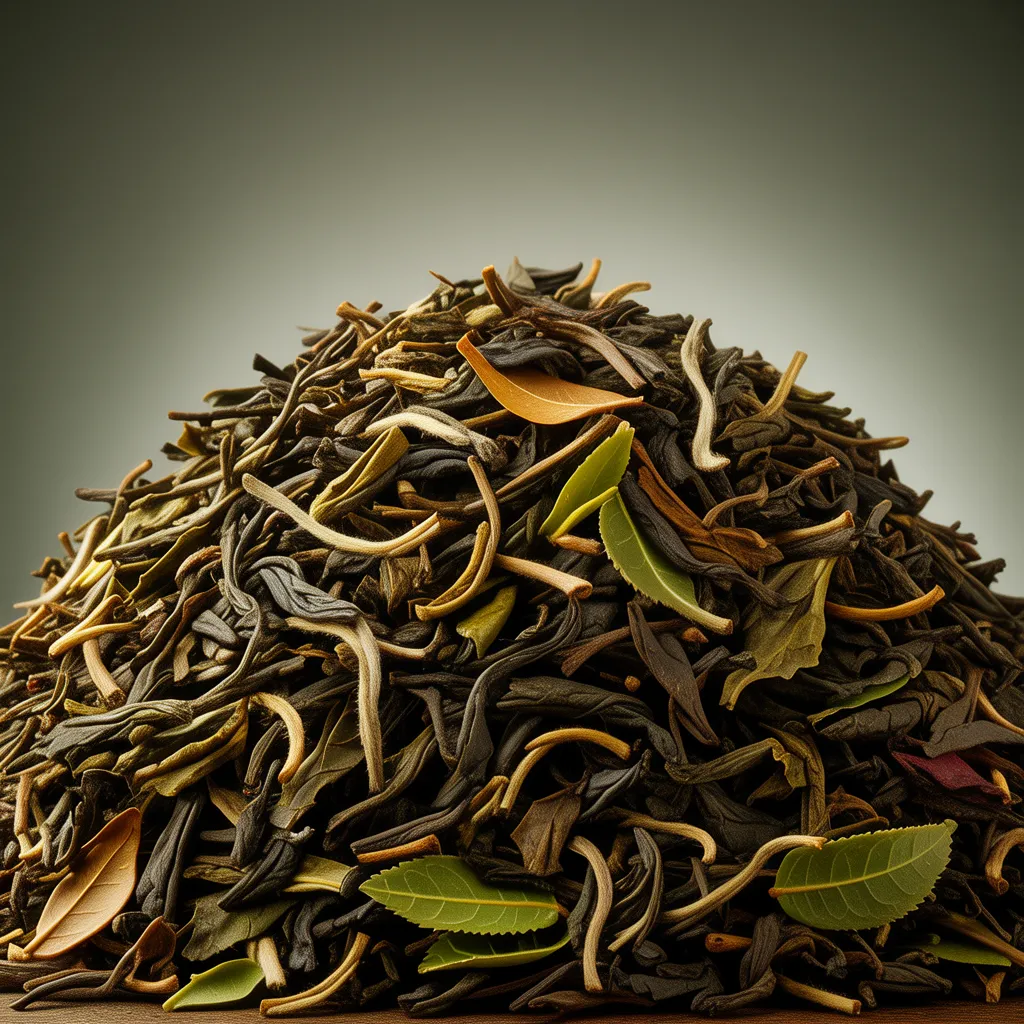
Explore the Origins of Fair Trade Tea
Fair Trade tea originates from the socioeconomic campaigns intended to improve the circumstances of excluded farmers. Starting in the latter part of the 1900s, this endeavor worked to resolve unfairness in worldwide commerce, notably in developing countries where tea is commonly produced. The movement picked up steam as buyers became increasingly mindful of the grim conditions endured by small-scale farmers, such as exploitative prices and mistreatment by large corporations.
Through collaborative frameworks, Fair Trade sought to empower these farmers, ensuring they obtained fair payment and support for sustainable farming practices. The movement also focused on advancing environmental responsibility, encouraging organic farming and biodiversity. As awareness increased, Fair Trade tea became a representation of ethical consumption, connecting consumers directly with the origins of their beverages. By choosing Fair Trade tea, individuals add to a larger vision of social justice and economic equity, fostering a more sustainable future for tea-growing communities.
Learn about ethical trade standards for sustainable practices
Grasping Fair Trade certification is fundamental to recognizing how sustainable practices are sustained within the tea industry. This certification promises that producers receive fair wages and work under safe conditions, which directly helps community development. Fair Trade standards support environmentally sustainable farming methods, reducing the use of harmful chemicals and encouraging biodiversity.
Certification also fosters clarity in the supply chain, enabling consumers to track their tea back to its origin. By following these guidelines, farms undertake methods that safeguard environmental assets and support local ecosystems. Additionally, Fair Trade groups often provide learning materials and training to agricultural producers, empowering them to improve their production methods and financial security.
Ultimately, Fair Trade accreditation not only enhances tea's quality but also aligns go now purchasing choices to ethical and sustainable ideals, making it a key aspect of the tea industry's commitment to community responsibility and environmental care.
Browse Premium Types of Fair Trade Tea
While many tea admirers appreciate the rich flavors and aromas of various brews, delving into the top varieties of Fair Trade tea uncovers a deeper devotion to ethical sourcing and sustainability. Some popular options present Fair Trade Assam, distinguished by its intense, malt-forward notes, and Fair Trade Darjeeling, often known as the "Champagne of teas" for its delicate floral notes. Another distinguished variety is Fair Trade Earl Grey, seasoned with bergamot, furnishing a unique citrus twist.
Moreover, Fair Trade Green Tea, lauded for its invigorating qualities and health benefits, is increasingly favored among health-conscious consumers. Herbal blends, such as Fair Trade Chamomile and Peppermint, also stand out, providing soothing and calming effects. Each of these varieties not only yields exceptional flavor but also supports farmers and communities working for better livelihoods, making them a responsible choice for tea lovers seeking quality and ethical assurance.
Brewing Fair Trade Tea: Guidelines for a Perfect Cup
To make the ultimate cup of Fair Trade tea, care is vital, since the proper steps can bring out the tea's individual tastes and fragrances. Initially, water quality is of utmost importance; using spring water provides a clean taste that lets the tea's features come through. The water temperature is equally essential; specific temperatures are needed for different tea types; black tea needs boiling water and green or herbal teas are brewed cooler.
Then, the steeping time should be precisely maintained. Oversteeping can cause bitterness, while understeeping may not unlock the full flavor profile. A typical suggestion is 3-5 minutes for black tea and 2-3 minutes for green tea.
Ultimately, using the appropriate balance of tea to water boosts the taste; one teaspoon of loose tea per cup is a good starting point. By following these tips, tea aficionados can fully appreciate the extensive variety of Fair Trade tea.
Ecological Perks of Ethical Tea
Brewing Fair Trade tea not only improves the tea experience but also promotes eco-friendly farming methods that benefit the environment. Fair Trade accreditation encourages farmers to use organic farming methods, which minimize the reliance on harmful pesticides and fertilizers. This approach promotes species diversity, helping to preserve local ecosystems and protect wildlife habitats.
Moreover, Fair Trade strategies often stress soil health and water management, ensuring that tea cultivation does not deplete essential resources. By helping small-scale farmers, Fair Trade also advocates for agroforestry, which integrates tea cultivation with other crops and trees, further advancing environmental resilience.
Additionally, Fair Trade tea frequently includes eco-conscious wrapping and transportation methods, decreasing the carbon footprint tied to its distribution. In summary, selecting Fair Trade tea represents a conscious effort to foster a more sustainable farming approach that honors both the planet and its people.

The Way Your Tea Selection Boosts Communities Worldwide
Investing in Fair Trade tea strengthens global communities by providing agricultural workers with fair remuneration and enhanced labor situations. This commitment assures that tea cultivators can maintain their economic stability while supporting their dependents and local economies. By acquiring Fair Trade tea, shoppers promote the development of key community services, like education and health support.
Fair Trade certification promotes ethical practices, requiring businesses to adhere to guidelines that emphasize workers' rights and environmental sustainability. As a result, farmers are incentivized to grow premium tea, which not only improves their income but also fosters pride in their work.
Moreover, the unmediated trade associations set up through Fair Trade abolish oppressive middlemen, allowing farmers to partner with consumers worldwide. This visibility develops trust and motivates a global appreciation for the cultural significance of tea. Ultimately, each cup of Fair Trade tea represents a reminder of the meaningful change individuals can have on global communities through thoughtful buying.
Frequently Asked Questions
Where Can I Discover Fair Trade Tea Products and How Do I Confirm Them in Retail Locations?
To pinpoint fair trade tea products in stores, one should hunt for accredited stamps, such as Fair Trade Certified or Rainforest Alliance. Additionally, investigating brands devoted to principled sourcing can contribute to deciding thoughtfully.
Do Fair Trade Tea Products Offer Any Health Benefits?
Fair trade tea may yield assorted health gains, featuring antioxidants enhancing heart health, improved digestive function, and sharper mental clarity. Additionally, conscientious sourcing practices reinforce sustainable farming methods, indirectly advancing a revitalized environment and community welfare.
Will I Source Fair Trade Tea Available in Digital Shopping Platforms?
Yes, fair trade tea is readily found in online marketplaces. Many stores offer a wide selection of brands and blends, ensuring consumers can easily access ethically sourced options that promote both sustainability and ethical working conditions.
What Impact Does Fair Trade Tea Have on Regional Economies?
Fair trade tea positively impacts local economies by offering farmers equitable compensation, supporting community growth, and promoting environmentally responsible agriculture. This support enhances livelihoods, promotes economic stability, and enables communities to allocate resources toward education and healthcare.
What's the Finest Way to Preserve Fair Trade Tea for Optimal Freshness?
To enhance quality, fair trade tea should be placed in an airtight container, away from light, moisture, and strong odors. Storing it in a dark, cool location helps protect its flavor and aroma over time.